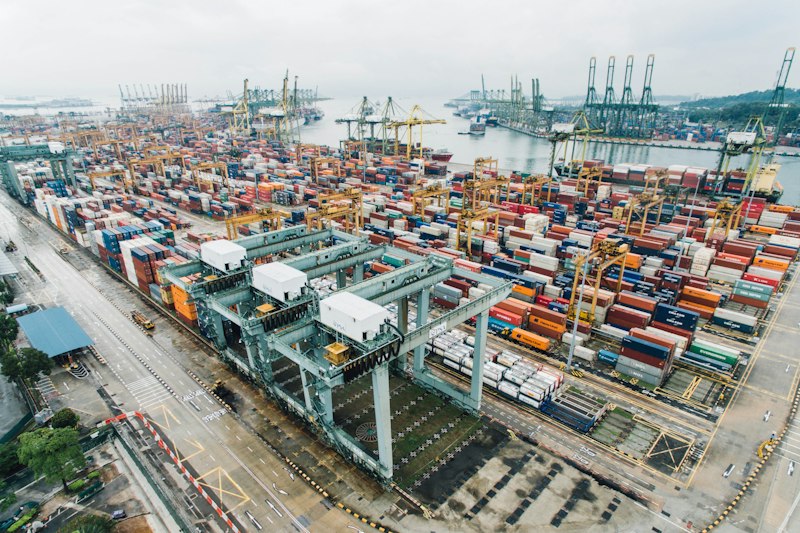
Choosing between FCL and LCL sea freight can save — or cost — you thousands of dollars. Here's exactly how to decide for China-to-GCC shipments.
Sea freight from China is the most common option for Gulf importers, and every importer faces a pivotal decision: do you ship a Full Container Load (FCL) or join other shipments in a consolidation service (LCL)? The wrong answer can cost you thousands of dollars. This article explains the difference with real numbers.
FCL — Full Container Load: you rent an entire 20ft or 40ft container exclusively. Advantages: faster arrival (no waiting for consolidation), less handling of your cargo, better price for large volumes, and temperature-controlled options available (Reefer containers). Approximate cost: $1,200–$2,500 for a 20ft container from China to Gulf ports (varies with shipping market conditions).
LCL — Less than Container Load: your cargo is grouped with other importers' shipments in the same container. You pay only for the space your cargo occupies. Advantages: ideal for small quantities, pay much less than a full container. Disadvantages: slower (consolidation takes extra time), more handling of your cargo (increases damage risk), numerous additional charges (consolidation fees, CFS charges, clearance fees). Approximate cost: $80–$150 per cubic meter.
When to choose FCL? When your cargo volume exceeds 15 cubic meters or 6+ tons. When your cargo is valuable or fragile and deserves protection. When time is a critical factor. When the FCL cost is less than or equal to LCL after calculating all surcharges.
When to choose LCL? When your cargo volume is under 10 cubic meters. When you are testing a new product with small quantities. When you have no urgency on delivery. When sending trade samples or trial shipments.
Reefer Containers for halal and food products: Gulf importers of food and pharmaceutical products need refrigerated containers. They cost 50–100% more than standard containers but are essential for maintaining quality and complying with health regulations. China24 works with shipping companies specializing in Reefer Containers for major Gulf ports.
Frequently Asked Questions
What is the break-even point between FCL and LCL?
A general rule: if your shipment is under 10 CBM, LCL is usually cheaper. Above 15 CBM, FCL typically wins on cost. Between 10–15 CBM, compare the total landed cost carefully including all LCL surcharges.
How long does LCL shipping from China to Dubai take?
LCL from China to Jebel Ali (Dubai) typically takes 28–40 days — about 5–10 days longer than FCL due to consolidation time at origin and deconsolidation time at destination.
Which Gulf ports accept direct FCL containers from China?
All major Gulf ports accept direct FCL containers from China: Jebel Ali (Dubai), King Abdulaziz Port Dammam, Jeddah Islamic Port, Hamad Port (Qatar), Mina Salman (Bahrain), Port Sultan Qaboos (Oman), and Shuwaikh (Kuwait).
Ready to start importing from China?
The China24 team in Dubai and Shenzhen is ready to design a tailored sourcing strategy for your business.
Get a Free Consultationarrow_forward
